IMAGINING AI
Publisher:
| Author:
| Language:
| Format:
Publisher:
Author:
Language:
Format:
₹2,750 Original price was: ₹2,750.₹2,337Current price is: ₹2,337.
Out of stock
Ships within:
Out of stock
ISBN:
Page Extent:
Chapters 16, 19 and 21 from this book are published open access and are free to read or download from Oxford Academic.
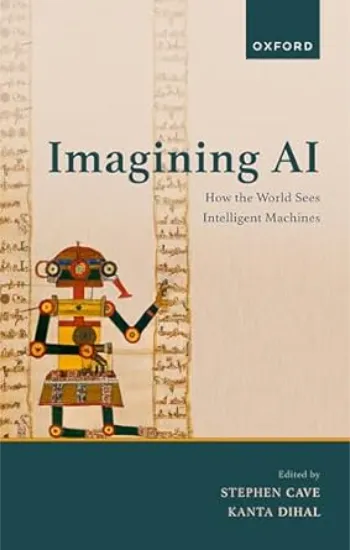
AI is now a global phenomenon. Yet Hollywood narratives dominate perceptions of AI in the English-speaking West and beyond, and much of the technology itself is shaped by a disproportionately white, male, US-based elite. However, different cultures have been imagining intelligent machines since long before we could build them, in visions that vary greatly across religious, philosophical, literary and cinematic traditions. This book aims to spotlight these alternative visions.
Imagining AI draws attention to the range and variety of visions of a future with intelligent machines and their potential significance for the research, regulation, and implementation of AI. The book is structured geographically, with each chapter presenting insights into how a specific region or culture imagines intelligent machines. The contributors, leading experts from academia and the arts, explore how the encounters between local narratives, digital technologies, and mainstream Western narratives create new imaginaries and insights in different contexts across the globe. The narratives they analyse range from ancient philosophy to contemporary science fiction, and visual art to policy discourse.
The book sheds new light on some of the most important themes in AI ethics, from the differences between Chinese and American visions of AI, to digital neo-colonialism. It is an essential work for anyone wishing to understand how different cultural contexts interplay with the most significant technology of our time.

Chapters 16, 19 and 21 from this book are published open access and are free to read or download from Oxford Academic.
AI is now a global phenomenon. Yet Hollywood narratives dominate perceptions of AI in the English-speaking West and beyond, and much of the technology itself is shaped by a disproportionately white, male, US-based elite. However, different cultures have been imagining intelligent machines since long before we could build them, in visions that vary greatly across religious, philosophical, literary and cinematic traditions. This book aims to spotlight these alternative visions.
Imagining AI draws attention to the range and variety of visions of a future with intelligent machines and their potential significance for the research, regulation, and implementation of AI. The book is structured geographically, with each chapter presenting insights into how a specific region or culture imagines intelligent machines. The contributors, leading experts from academia and the arts, explore how the encounters between local narratives, digital technologies, and mainstream Western narratives create new imaginaries and insights in different contexts across the globe. The narratives they analyse range from ancient philosophy to contemporary science fiction, and visual art to policy discourse.
The book sheds new light on some of the most important themes in AI ethics, from the differences between Chinese and American visions of AI, to digital neo-colonialism. It is an essential work for anyone wishing to understand how different cultural contexts interplay with the most significant technology of our time.
About Author
Dr Kanta Dihal is a Senior Research Fellow at the Leverhulme Centre for the Future of Intelligence, University of Cambridge. Her research focuses on science narratives, particularly those that emerge from conflict. She was Principal Investigator on the project 'Global AI Narratives' from 2018-2022, and currently works on 'Desirable Digitalisation', which investigates intercultural perspectives on AI and fundamental rights and values. She is co-editor of the books AI Narratives (2020) and Imagining AI (2022) and has advised the World Economic Forum, the UK House of Lords, and the United Nations. She holds a DPhil from Oxford on the communication of quantum physics.
Reviews
There are no reviews yet.

Reviews
There are no reviews yet.