Muslims in Indian Cities
Publisher:
| Author:
| Language:
| Format:
Publisher:
Author:
Language:
Format:
₹699 Original price was: ₹699.₹524Current price is: ₹524.
In stock
Ships within:
In stock
ISBN:
Page Extent:
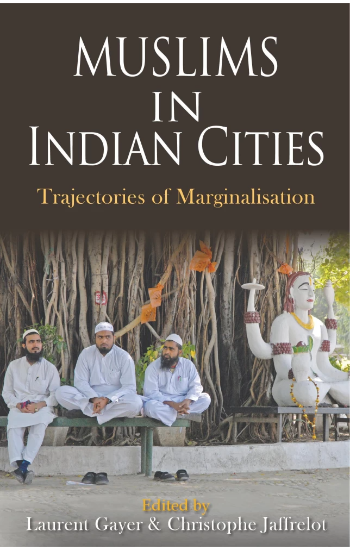
Numbering more than 150 million, Muslims constitute the largest minority in India, yet suffer the most politically and socio-economically. Forced to contend with severe and persistent prejudice, India’s Muslims are often targets of violence. In India’s cities, these developments find contrasting expressions. While the quality of Muslim life may lag behind that of Hindus nationally, local and inclusive cultures have been resilient in the south and the east. In the Hindi belt and in the north, Muslims have known less peace, especially in the riot-prone areas of Ahmedabad, Mumbai, Jaipur and Aligarh, and in the capitals of former Muslim states – Delhi, Hyderabad, Bhopal and Lucknow. These cities are rife with Muslim ghettos and slums. However, self-segregation has also played a part in forming Muslim enclaves, such as in Delhi and Aligarh, where traditional elites and a new Muslim middle class have regrouped for physical and cultural protection. Combining first-hand testimony with sound critical analysis, this volume follows urban Muslim life in eleven Indian cities, providing uncommon insight into a litde-known subject of immense importance and consequence.

About Author
Laurent Gayer is a research fellow at the Centre National de la Recherche Scientifique (CNRS).
Reviews
There are no reviews yet.

Reviews
There are no reviews yet.