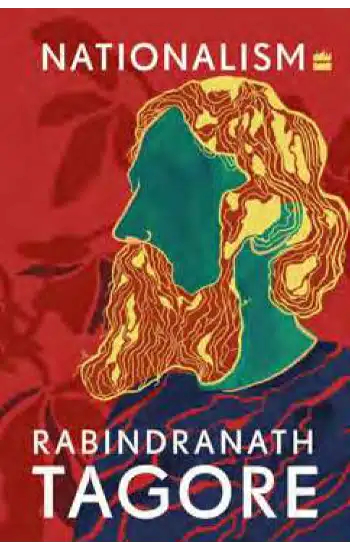
Nationalism
Publisher:
| Author:
| Language:
| Format:
Publisher:
Author:
Language:
Format:
₹225 Original price was: ₹225.₹180Current price is: ₹180.
In stock
Ships within:
In stock
ISBN:
Page Extent:
During the First World War, Tagore’s lectures in Japan and the US critiquing the idea of the nation-state led to a mixed response. While the nations of Europe were battling each other, Tagore urged his audiences to eschew political aggressiveness and cultural arrogance, and cautioned against imperialistic tendencies, xenophobia and sectarianism. He believed that a nation’s growth must be all-inclusive and a synthesis of tradition and modernity. In fact, he proposed that the definition of nationalism in India be based on the works of medieval mystics, poets and spiritual figures, such as Guru Nanak, Sant Kabir Das and Chaitanya Mahaprabhu.
Through the essays in Nationalism, based on his lectures during the First World War, Tagore advocates the need to transcend territorial boundaries and embrace a philosophy of spiritual emancipation for both the nation and its people.

During the First World War, Tagore’s lectures in Japan and the US critiquing the idea of the nation-state led to a mixed response. While the nations of Europe were battling each other, Tagore urged his audiences to eschew political aggressiveness and cultural arrogance, and cautioned against imperialistic tendencies, xenophobia and sectarianism. He believed that a nation’s growth must be all-inclusive and a synthesis of tradition and modernity. In fact, he proposed that the definition of nationalism in India be based on the works of medieval mystics, poets and spiritual figures, such as Guru Nanak, Sant Kabir Das and Chaitanya Mahaprabhu.
Through the essays in Nationalism, based on his lectures during the First World War, Tagore advocates the need to transcend territorial boundaries and embrace a philosophy of spiritual emancipation for both the nation and its people.
About Author
Reviews
There are no reviews yet.

Reviews
There are no reviews yet.