Orchha, Datia, Panna – Miniatures from the Royal Courts of Bundelkhand (1590-1850) Vol-I , II & III
Publisher:
| Author:
| Language:
| Format:
Publisher:
Author:
Language:
Format:
₹13,500 Original price was: ₹13,500.₹8,775Current price is: ₹8,775.
In stock
Ships within:
In stock
ISBN:
Page Extent:
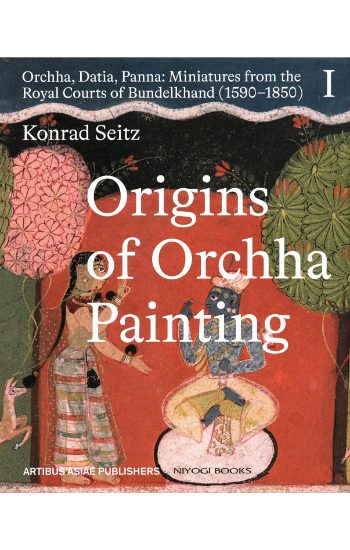
1. Origin of Orchha Painting: Orchha, Datia, Panna – Miniatures from the Royal Courts of Bundelkhand (1590-1850) Vol-I :-
- Explores the unique features of the initial period of Orchha painting (1590-1605)
- Features over 100 images of exquisite miniature paintings from this school
This book about miniature painting at the Bundelkhand royal courts of Orchha, Datia, and Panna is the first to admit an understanding of the works that two fatal misconceptions regarding their time and place of origin have hitherto thwarted. The miniature school of Bundelkhand that first developed at Orchha was the earliest and most Indian of all the Rajput schools and at the time of its founding the only one to practice a purely indigenous style of painting, “untainted” by the naturalism of imperial Mughal painting. The author’s interpretations and stylistic analyses of over 240 paintings from his collection, many of them published here for the first time, shed light on the school’s development from the late 16th century to the early days of British rule. The book also introduces readers to the conceptual world of Rajput miniature painting and the rasa aesthetic that anticipates the modern reception aesthetic. Origins of Orchha Painting, the first volume of the series Orchha, Datia, Panna: Miniatures from the Royal Courts of Bundelkhand (1590–1850), deals with the founding period of Orchha painting, the years 1590–1605, and how it derived from pre-Mughal Early Rajput painting, which flourished at the Tomar court of Gwalior from around 1460 until the downfall of the Hindu kingdom in 1518. The subsequent volumes, Stylistic Trends in Bundelkhand Painting, analyze how this Rajput school developed during the period 1605–1635 and spread to Datia after the disintegration of Orchha in 1635 and later to Panna, the Bundela state of Chattrasal, in the 1680s. Bundelkhand painting ended with Chattrasal’s death in 1731, and it was only after a long interruption, in the beginning of the 19th century, that the school experienced an Indian summer at the court of Datia during the period of British suzerainty.
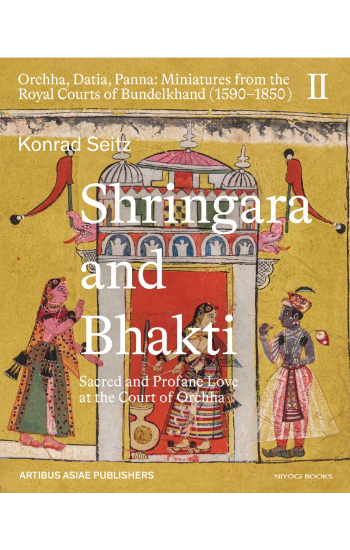
2. Shringara and Bhakti: Sacred and Profane Love at the Court of Orchha :-
- Offers an in-depth look at Orchha painting from 1605 to 1675
- Explains the concepts of love for the divine (bhakti), and the love between Krishna and Radha (shringara)
- Exquisite images of about 170 traditional Indian paintings enhance the visual appeal of the book
This lavishly illustrated book, the second volume in the series Orchha,Datia, Panna: Miniatures from the Royal Courts of Bundelkhand (1590–1850),deals with the second and third periods of Orchha painting, which span the years 1605 through 1675. A central theme of the paintings presented in this volume is the love between the archetypal couple Krishna and Radha, which is both mystical-religious and secular-playful in nature. Indeed, it is the confluence of sacred and profane love that gives India’s culture and art its unique spirit. The images were created to illustrate poetic works such as the Rasikapriya, whose author, the Orchha court poet Keshavdas, invites his readers to savor the aesthetic and religious delight of Radha-Krishna love through his riti lyrics in the vernacular language of his era. Through stylistic analyzes and interpretations of over 100 paintings from his collection, many of them published here for the first time, the author brings to light the accomplishments of the Orchha school during its heyday in the seventeenth century.
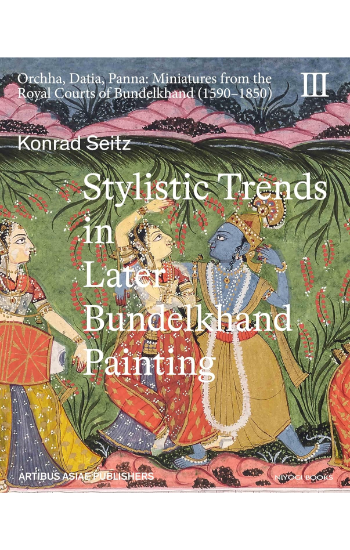
3. Stylistic Trends in Later Bundelkhand Painting :-
This lavishly illustrated book, the third and final volume in the series Orchha, Datia, Panna: Miniatures from the Royal Courts of Bundelkhand, deals with the third, fourth, and fifth periods of Bundelkhand painting, which spans the years 1635 through 1840. It begins with the Mughalizing painting styles that predominated in Datia after the disintegration of Orchha in 1635 and the rise of Datia as an independent principality and major cultural center. It also addresses the development of Bundelkhand painting after 1675, when Raja Chhatrasal established Panna as the capital of his Bundela kingdom. Bundelkhand painting ceased with the raja’s death in 1731, and it was only after a long interruption that it experienced an Indian summer at the court of Datia during the period of British suzerainty in the nineteenth century. However, the style of the latter era no longer bore a resemblance to the Datia and Orchha schools of the seventeenth century, but was rather an offshoot of the prevailing Mighal-Rajput style developed by painters who had left Delhi in the second half of the eighteenth century.
Through stylistic analyses and interpretations of more than ninety paintings from his collection, many of them published here for the first time, the author provides a rich insight into the many and varied developments of later Bundekhand painting.
About the Author: The author, late Dr Konrad Seitz (1933-2023), diplomat, historian, and art collector, lived for many years in India where he served as German ambassador from 1987 to 1990. He and his wife, Eva Seitz, rank among the most important private collectors of Indian miniature paintings worldwide. Their readiness to share their collection with art lovers all over the world, both in publications like this one and through major donations to museums, has done much to enhance our appreciation of the marvels of Indian painting.

1. Origin of Orchha Painting: Orchha, Datia, Panna – Miniatures from the Royal Courts of Bundelkhand (1590-1850) Vol-I :-
- Explores the unique features of the initial period of Orchha painting (1590-1605)
- Features over 100 images of exquisite miniature paintings from this school
This book about miniature painting at the Bundelkhand royal courts of Orchha, Datia, and Panna is the first to admit an understanding of the works that two fatal misconceptions regarding their time and place of origin have hitherto thwarted. The miniature school of Bundelkhand that first developed at Orchha was the earliest and most Indian of all the Rajput schools and at the time of its founding the only one to practice a purely indigenous style of painting, “untainted” by the naturalism of imperial Mughal painting. The author’s interpretations and stylistic analyses of over 240 paintings from his collection, many of them published here for the first time, shed light on the school’s development from the late 16th century to the early days of British rule. The book also introduces readers to the conceptual world of Rajput miniature painting and the rasa aesthetic that anticipates the modern reception aesthetic. Origins of Orchha Painting, the first volume of the series Orchha, Datia, Panna: Miniatures from the Royal Courts of Bundelkhand (1590–1850), deals with the founding period of Orchha painting, the years 1590–1605, and how it derived from pre-Mughal Early Rajput painting, which flourished at the Tomar court of Gwalior from around 1460 until the downfall of the Hindu kingdom in 1518. The subsequent volumes, Stylistic Trends in Bundelkhand Painting, analyze how this Rajput school developed during the period 1605–1635 and spread to Datia after the disintegration of Orchha in 1635 and later to Panna, the Bundela state of Chattrasal, in the 1680s. Bundelkhand painting ended with Chattrasal’s death in 1731, and it was only after a long interruption, in the beginning of the 19th century, that the school experienced an Indian summer at the court of Datia during the period of British suzerainty.
2. Shringara and Bhakti: Sacred and Profane Love at the Court of Orchha :-
- Offers an in-depth look at Orchha painting from 1605 to 1675
- Explains the concepts of love for the divine (bhakti), and the love between Krishna and Radha (shringara)
- Exquisite images of about 170 traditional Indian paintings enhance the visual appeal of the book
This lavishly illustrated book, the second volume in the series Orchha,Datia, Panna: Miniatures from the Royal Courts of Bundelkhand (1590–1850),deals with the second and third periods of Orchha painting, which span the years 1605 through 1675. A central theme of the paintings presented in this volume is the love between the archetypal couple Krishna and Radha, which is both mystical-religious and secular-playful in nature. Indeed, it is the confluence of sacred and profane love that gives India’s culture and art its unique spirit. The images were created to illustrate poetic works such as the Rasikapriya, whose author, the Orchha court poet Keshavdas, invites his readers to savor the aesthetic and religious delight of Radha-Krishna love through his riti lyrics in the vernacular language of his era. Through stylistic analyzes and interpretations of over 100 paintings from his collection, many of them published here for the first time, the author brings to light the accomplishments of the Orchha school during its heyday in the seventeenth century.
3. Stylistic Trends in Later Bundelkhand Painting :-
This lavishly illustrated book, the third and final volume in the series Orchha, Datia, Panna: Miniatures from the Royal Courts of Bundelkhand, deals with the third, fourth, and fifth periods of Bundelkhand painting, which spans the years 1635 through 1840. It begins with the Mughalizing painting styles that predominated in Datia after the disintegration of Orchha in 1635 and the rise of Datia as an independent principality and major cultural center. It also addresses the development of Bundelkhand painting after 1675, when Raja Chhatrasal established Panna as the capital of his Bundela kingdom. Bundelkhand painting ceased with the raja’s death in 1731, and it was only after a long interruption that it experienced an Indian summer at the court of Datia during the period of British suzerainty in the nineteenth century. However, the style of the latter era no longer bore a resemblance to the Datia and Orchha schools of the seventeenth century, but was rather an offshoot of the prevailing Mighal-Rajput style developed by painters who had left Delhi in the second half of the eighteenth century.
Through stylistic analyses and interpretations of more than ninety paintings from his collection, many of them published here for the first time, the author provides a rich insight into the many and varied developments of later Bundekhand painting.
About the Author: The author, late Dr Konrad Seitz (1933-2023), diplomat, historian, and art collector, lived for many years in India where he served as German ambassador from 1987 to 1990. He and his wife, Eva Seitz, rank among the most important private collectors of Indian miniature paintings worldwide. Their readiness to share their collection with art lovers all over the world, both in publications like this one and through major donations to museums, has done much to enhance our appreciation of the marvels of Indian painting.
About Author
Reviews
There are no reviews yet.

Reviews
There are no reviews yet.